
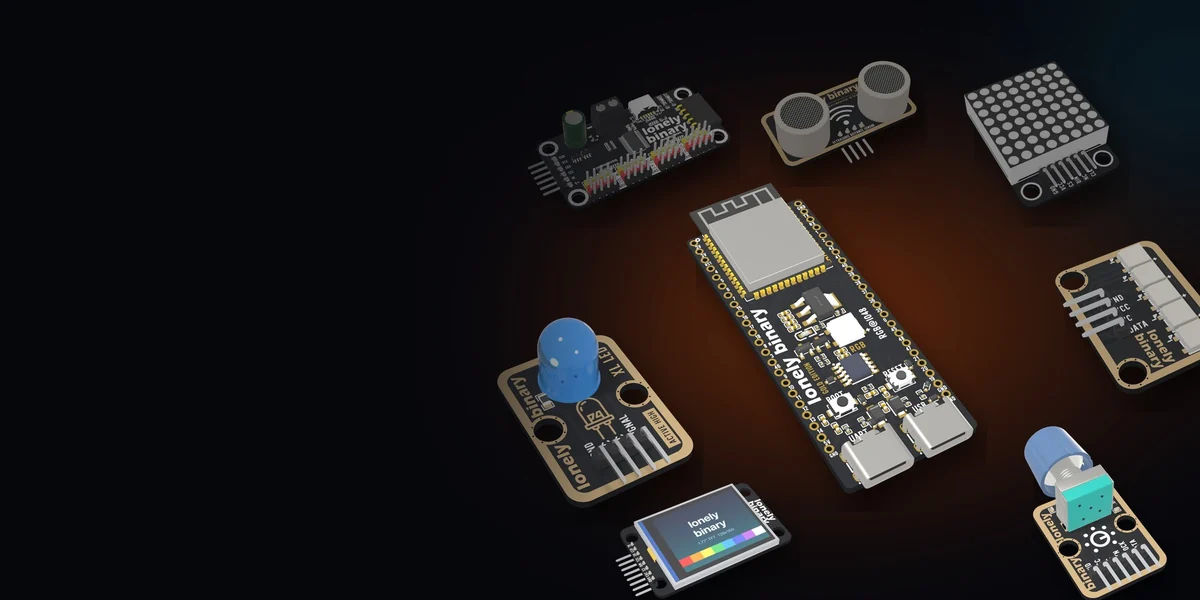
Your learning library.
Tutorials, modules, manuals and tools, for the board on your desk. Find what you need.
ESP32
From your first connection to wireless projects.
First-time setup
Identify your board, install your editor and upload.
GPIO & pinouts
Find the right pin for your connection.
Wi-Fi
Connect your board to a network.
ESP-NOW
Send messages directly between boards.
Bluetooth LE
Connect your project to a phone.
Upload troubleshooting
Find out why your sketch will not upload.
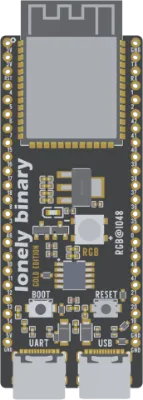 ESP32-S3GPIO & hardware in 3D ↗
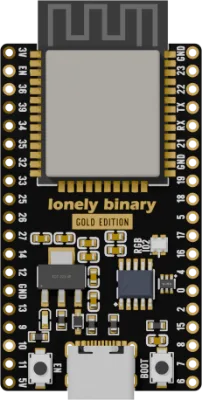 ESP32GPIO & hardware in 3D ↗
TinkerBlock
Pick a module. Find its wiring, code and explanations.
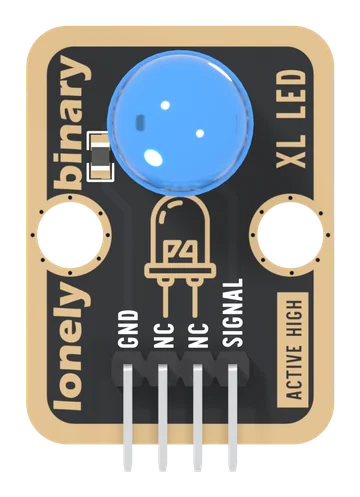
XL LED
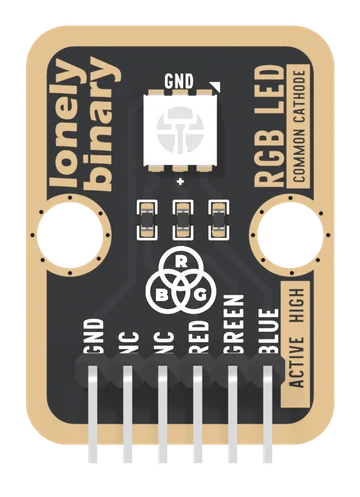
RGB LED
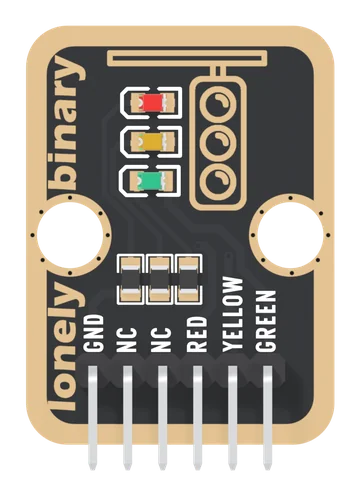
Traffic Light
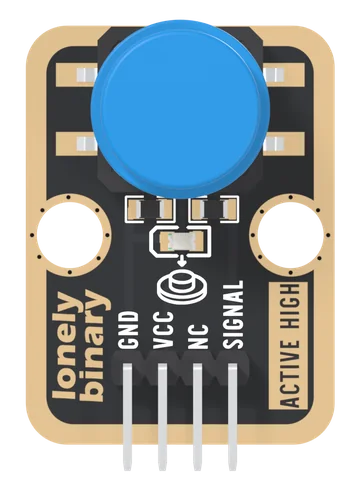
Push Button
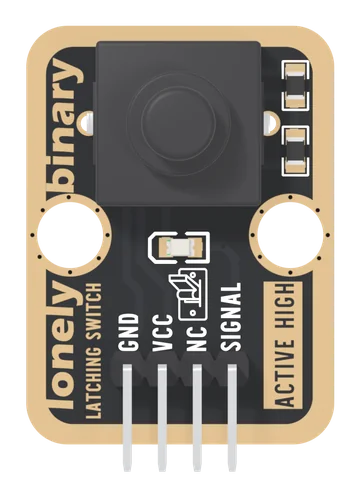
Latching Button
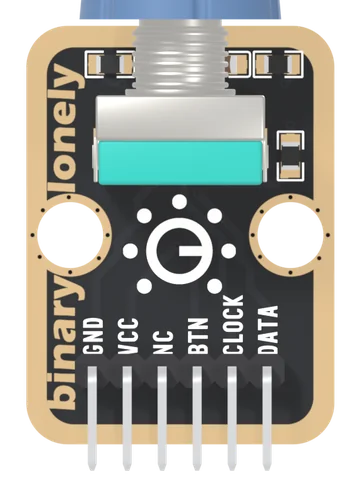
Rotary Encoder
Product handbooks
Have something on your desk? Open its step-by-step manual.
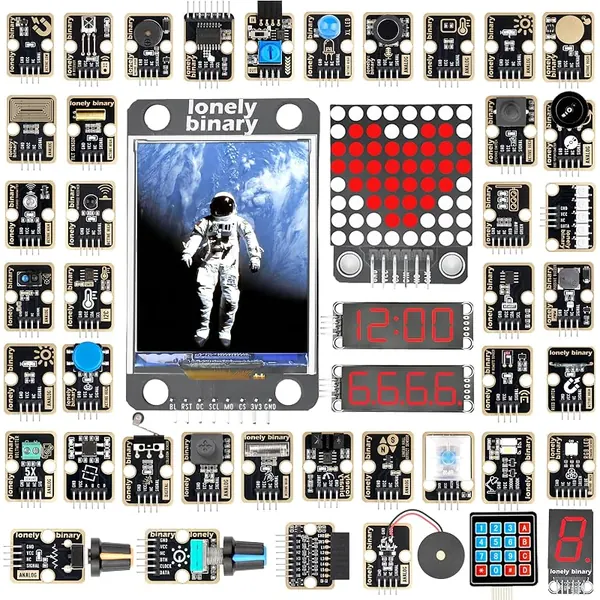
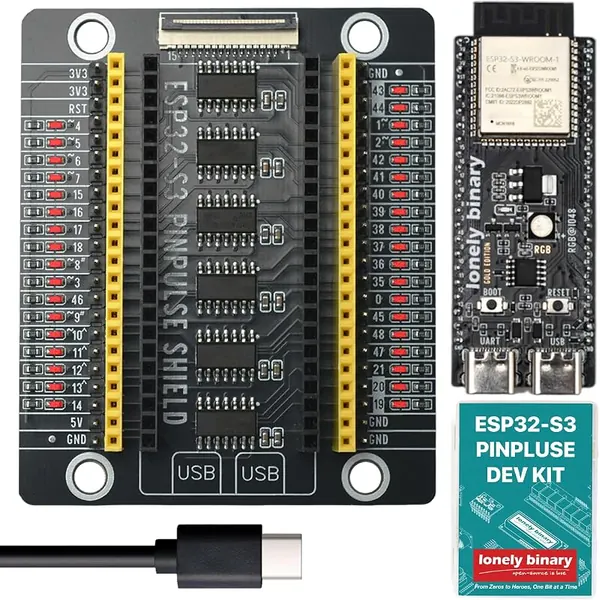
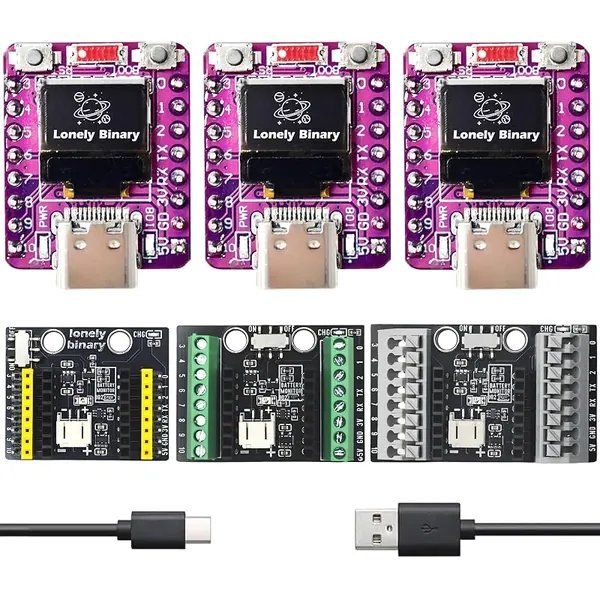

Step inside the circuit.
Put on a headset and the lesson stands on a table in front of you. Watch the I2C bus carry its bytes, see a pull-up resistor fill a glass of water, post a letter through MQTT's post office, and walk round a board fifty times its size.
Electronics basics
Understand the components and circuits behind your projects.
Volts, amps and ohms
3 lessonsResistors
4 lessonsLEDs
1 lessonsCapacitors
5 lessonsPowering the board
2 lessonsDiodes
8 lessonsTransistors and switching
4 lessonsMOSFETs
4 lessonsInductors
4 lessonsFuses and current limits
2 lessonsDiodes and surge protection
4 lessonsLithium cells
5 lessonsSwitching a rail
1 lessonsRegulating a rail
1 lessonsI2C
12 lessons · VRMQTT
10 lessons · VRSPI
14 lessons · VRScreens
16 lessons · VRTCP and UDP
12 lessons · VRUART
12 lessons · VRSoldering
2 lessonsTools & references
Look it up, work it out, get back to building.
Resistor colour code
Four, five or six bands, read left to right, to a value and a tolerance.
Ohm's law
Any two of volts, amps, ohms and watts, and the other two follow.
LED series resistor
The resistor an LED needs on 3.3 V, 5 V or 12 V, before you wire it.
Battery life
How long a board runs on a cell, from its sleep current and how often it wakes.