51 modules, one 4-pin header
Our own modular series — sensors, displays and actuators that share one pin convention, one numbering scheme, and one set of wiring habits.
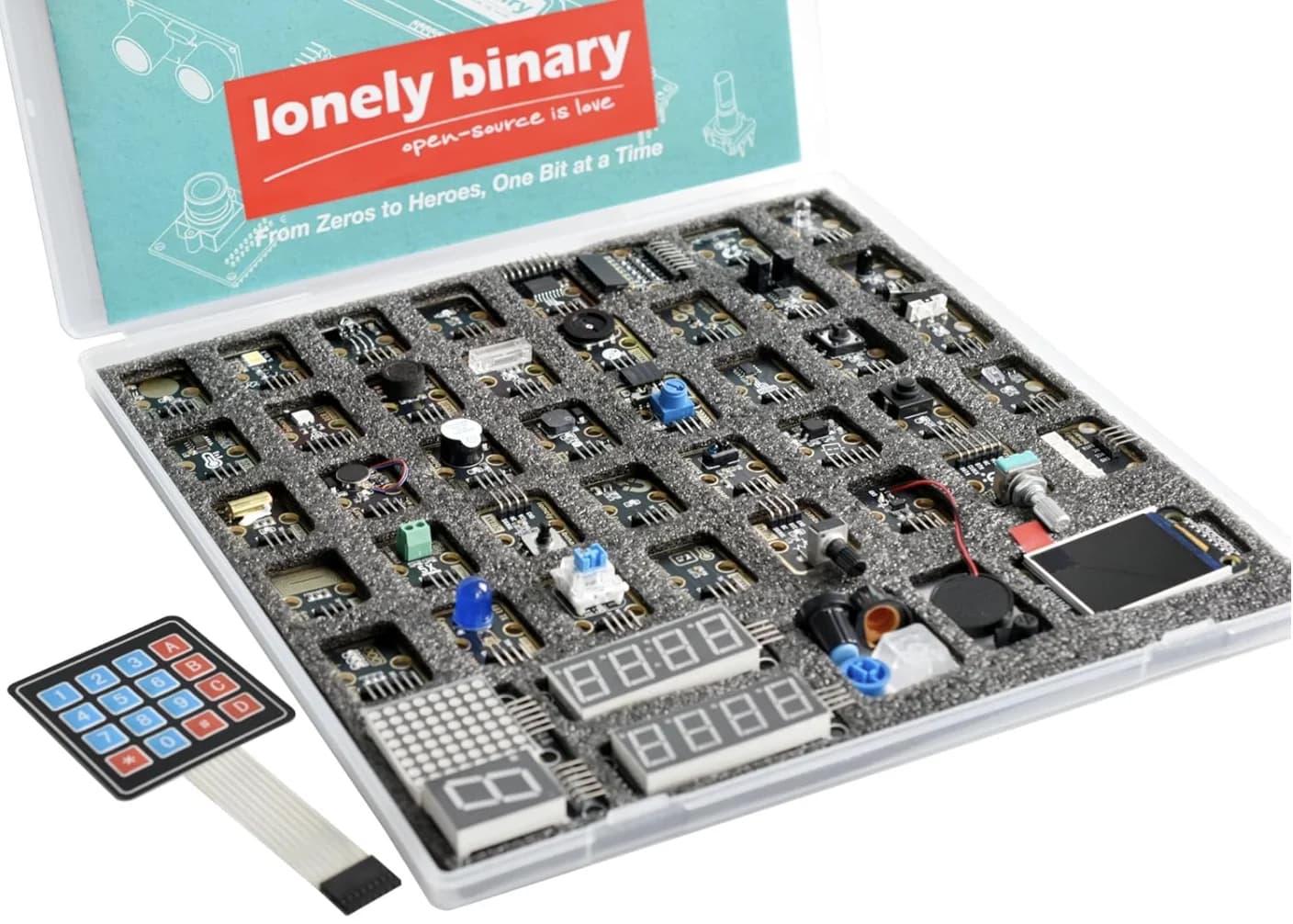
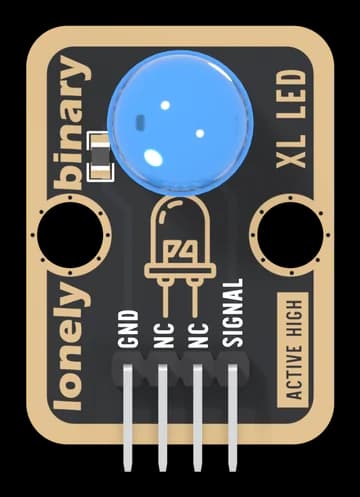
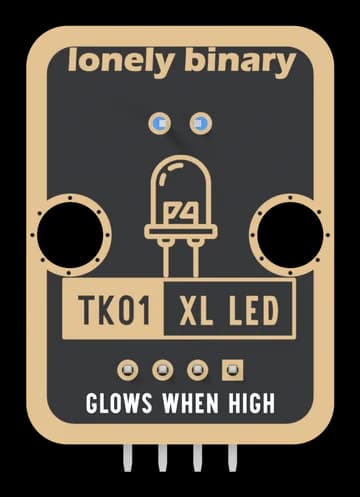
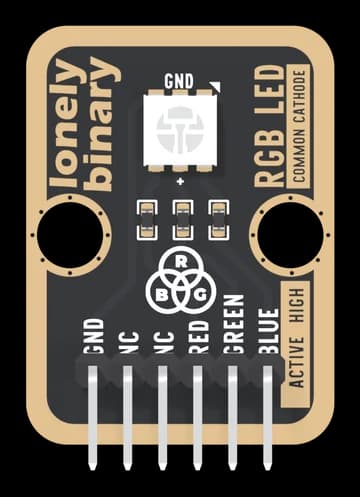
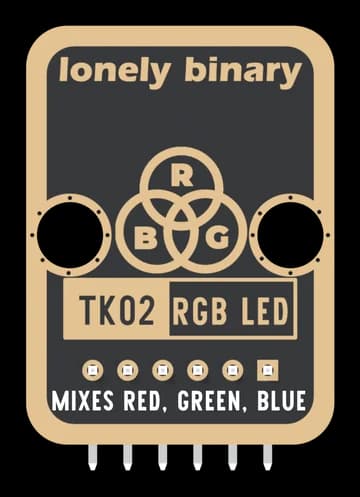
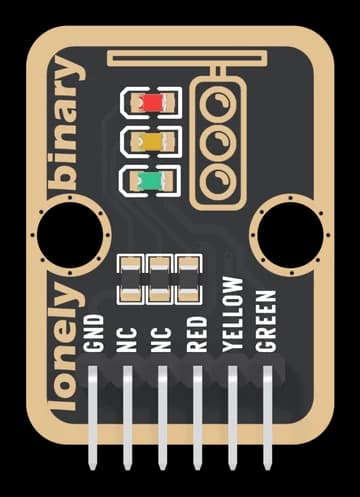
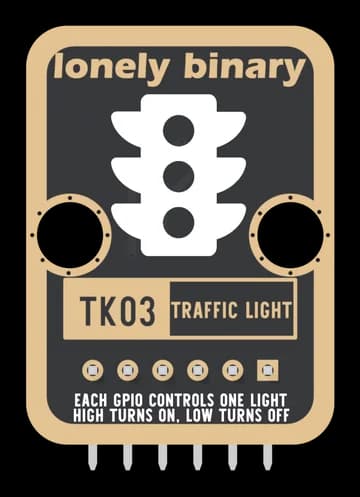
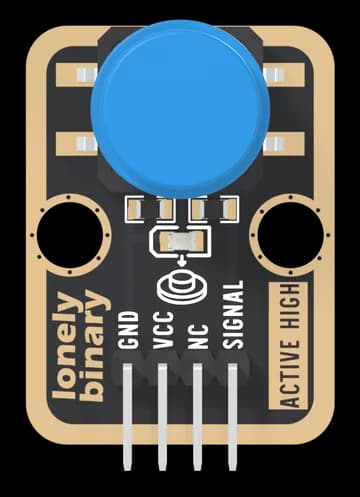
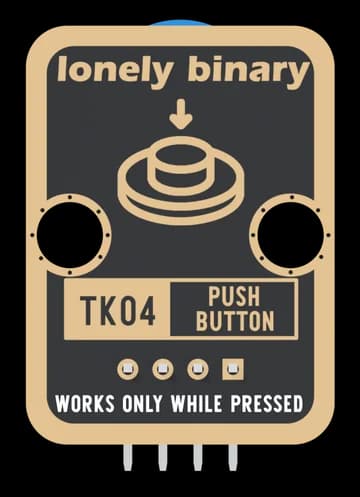
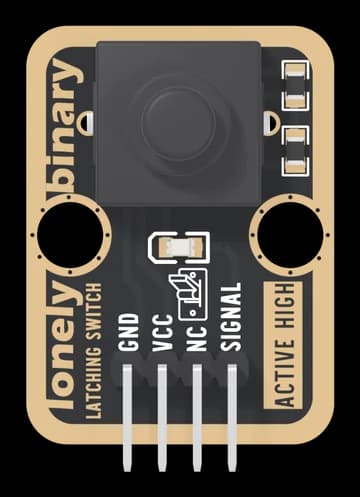
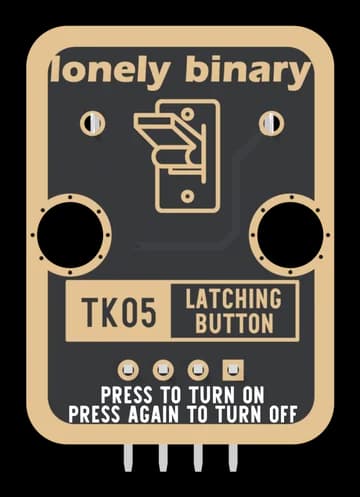
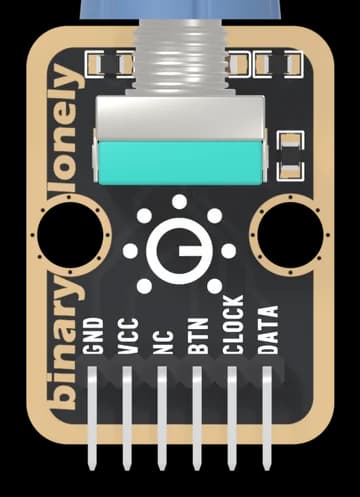
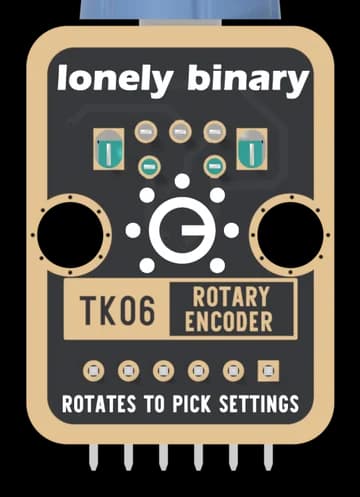
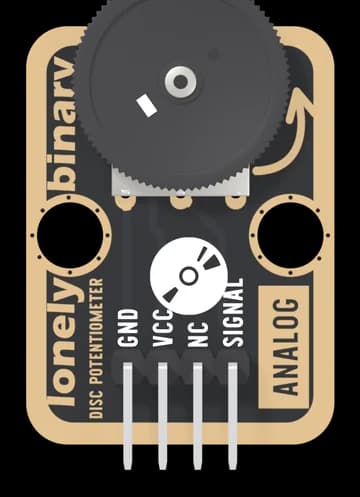
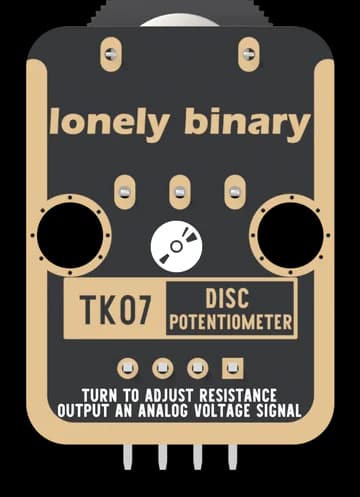
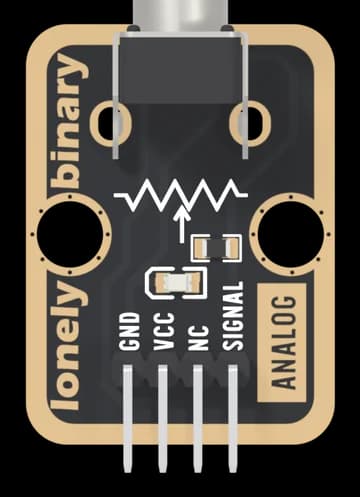
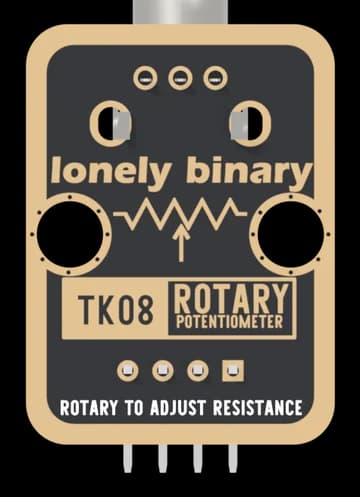
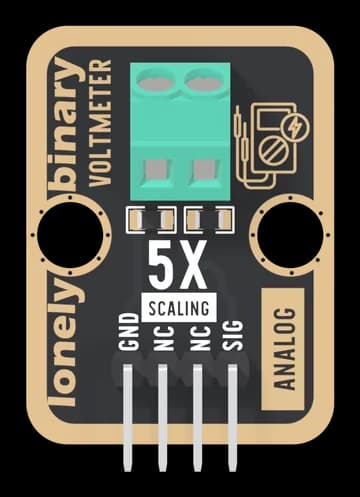
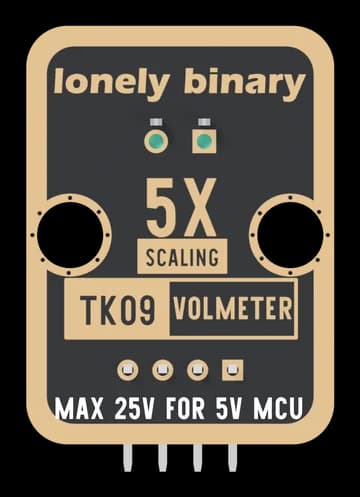
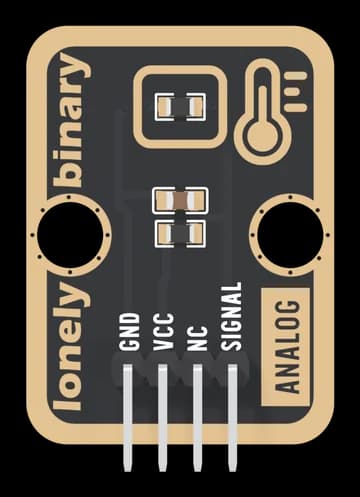
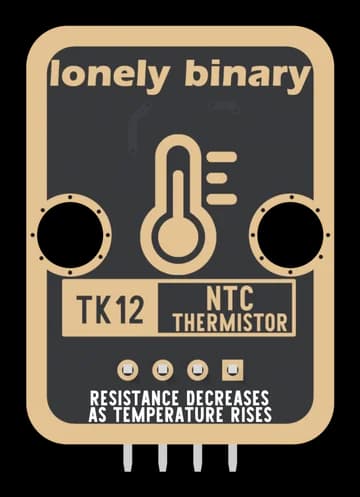
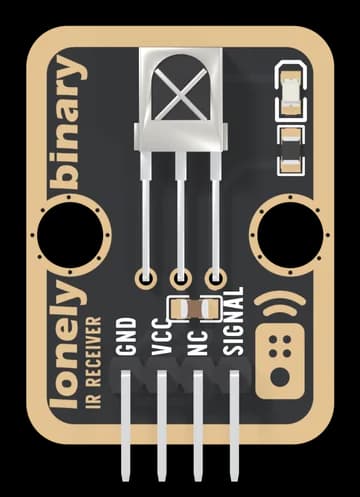
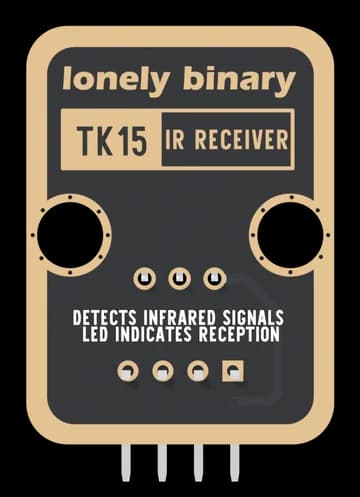
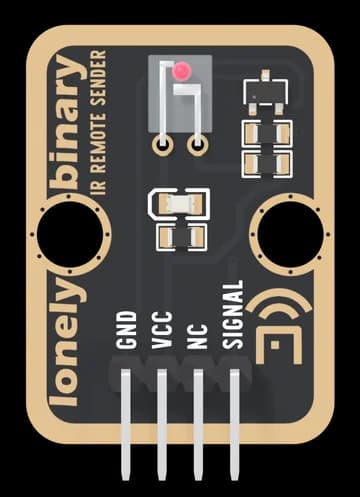
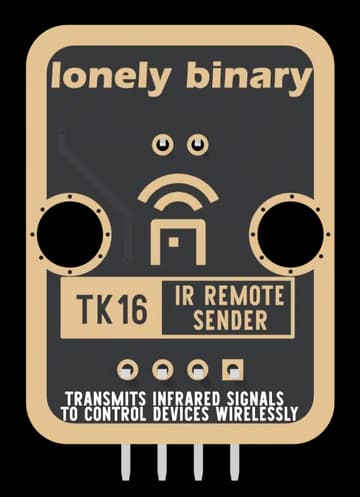
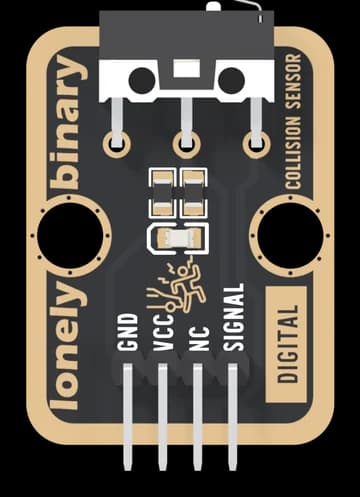
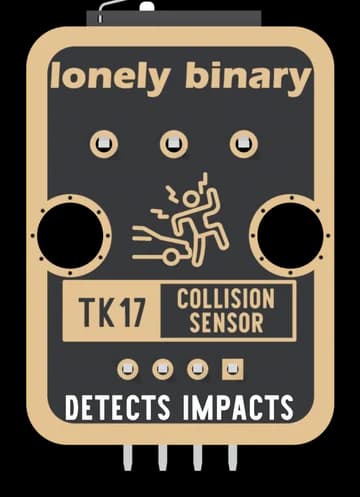
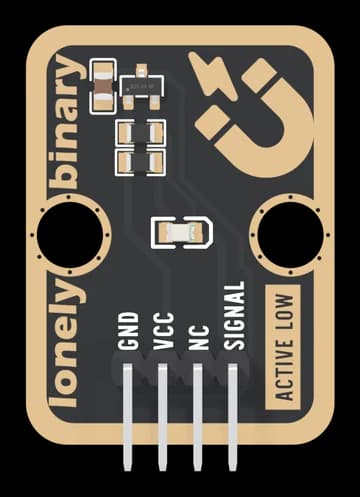
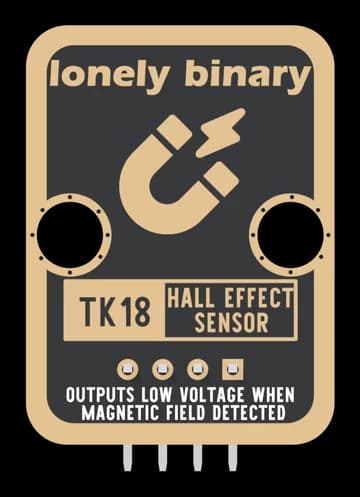
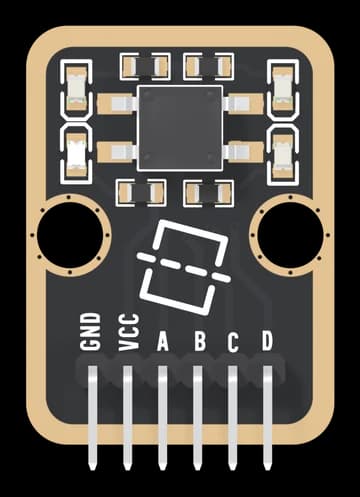
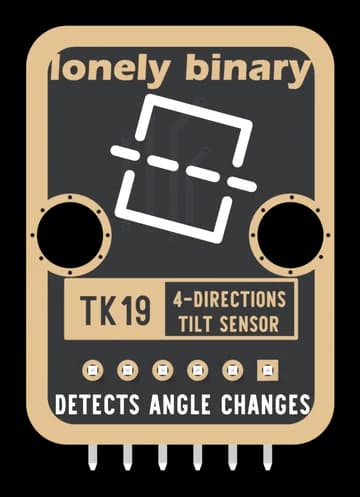
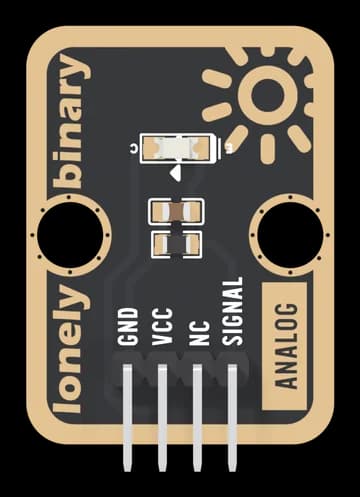
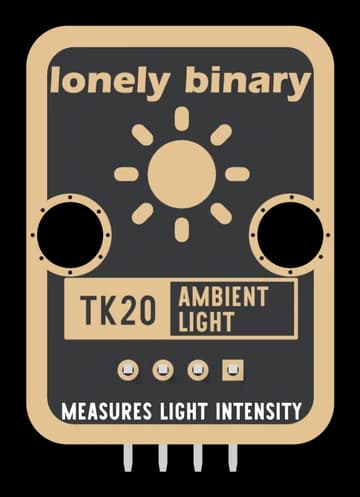
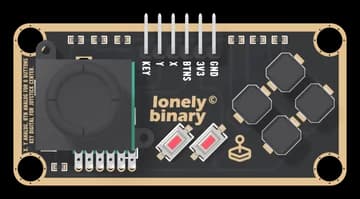
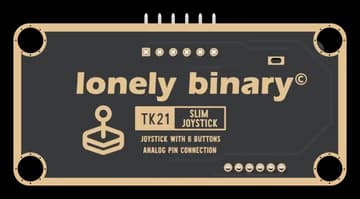
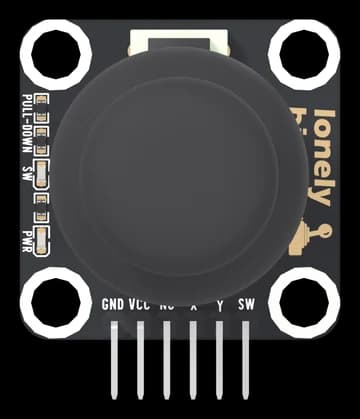
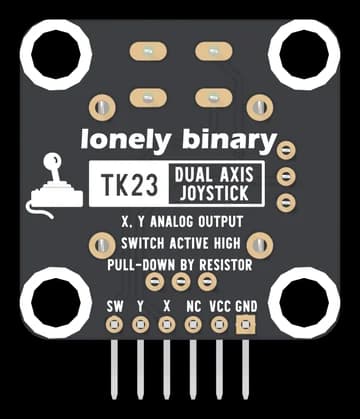
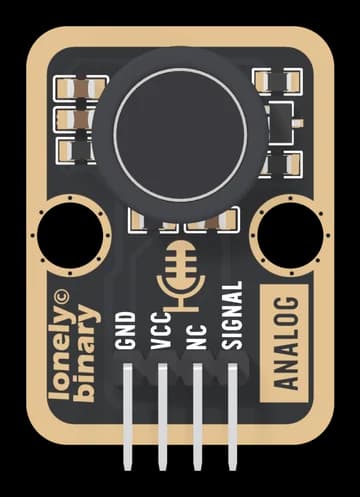
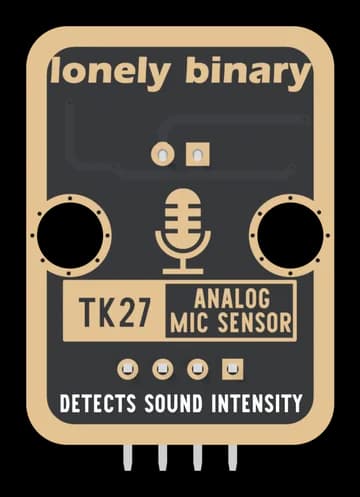
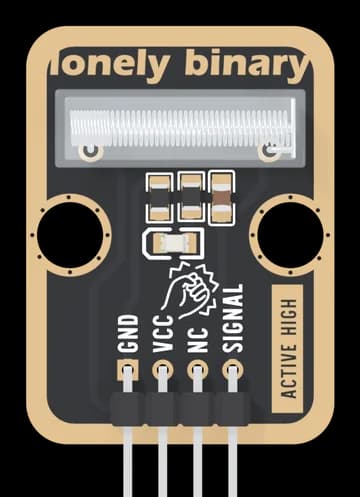
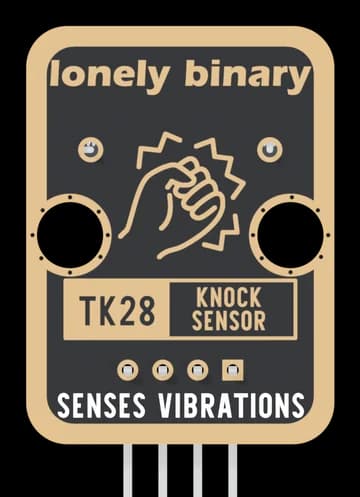
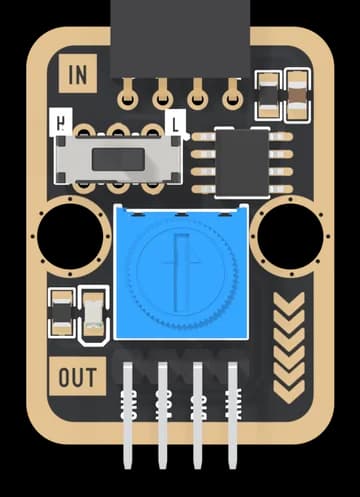
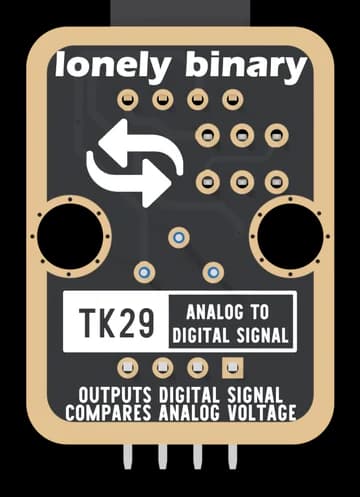
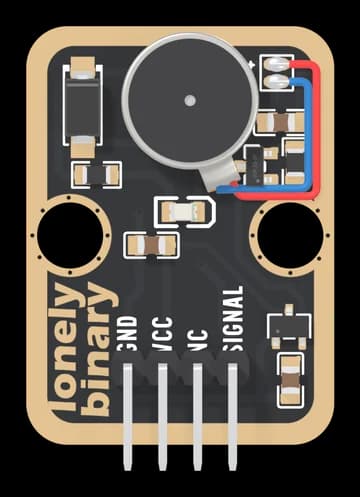
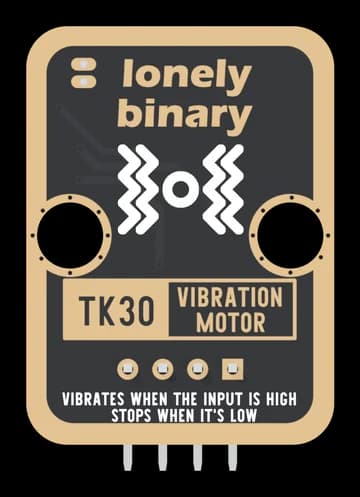
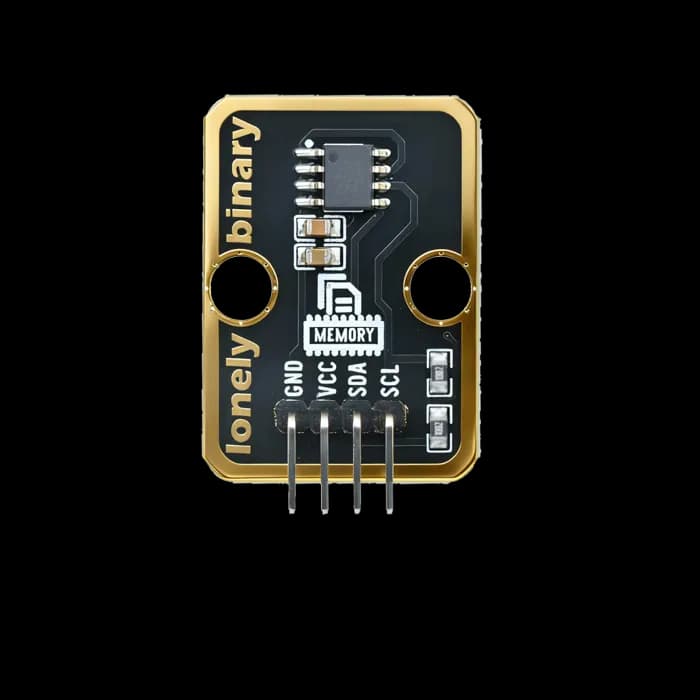
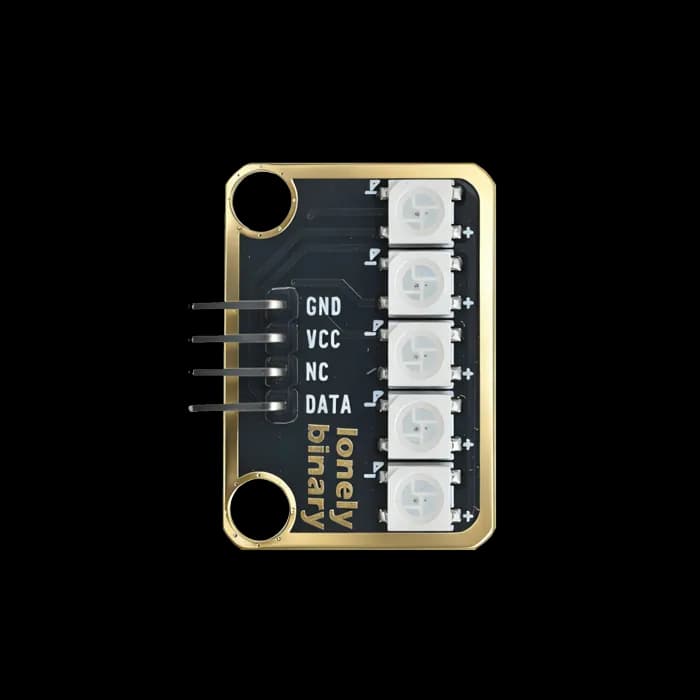
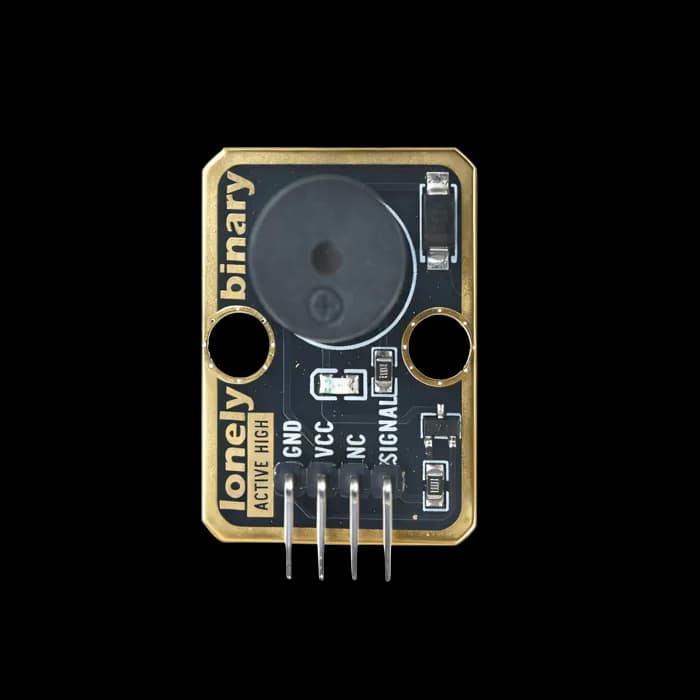
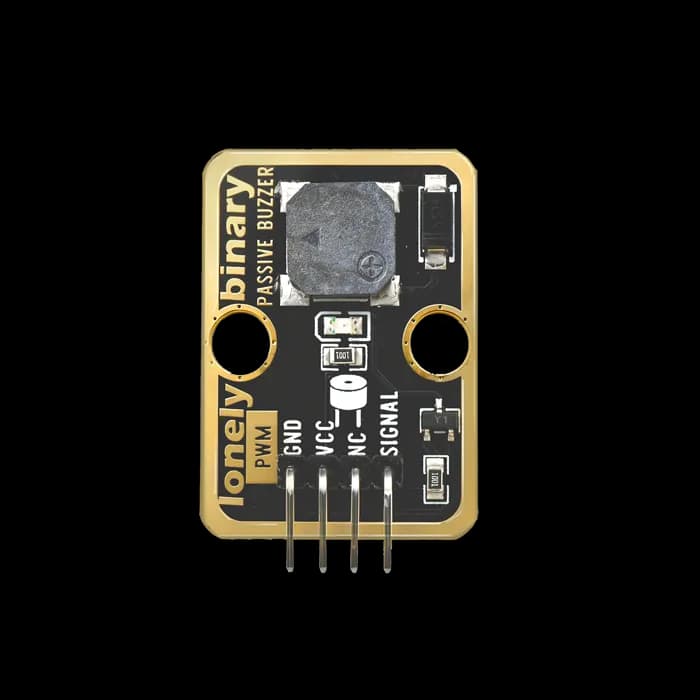
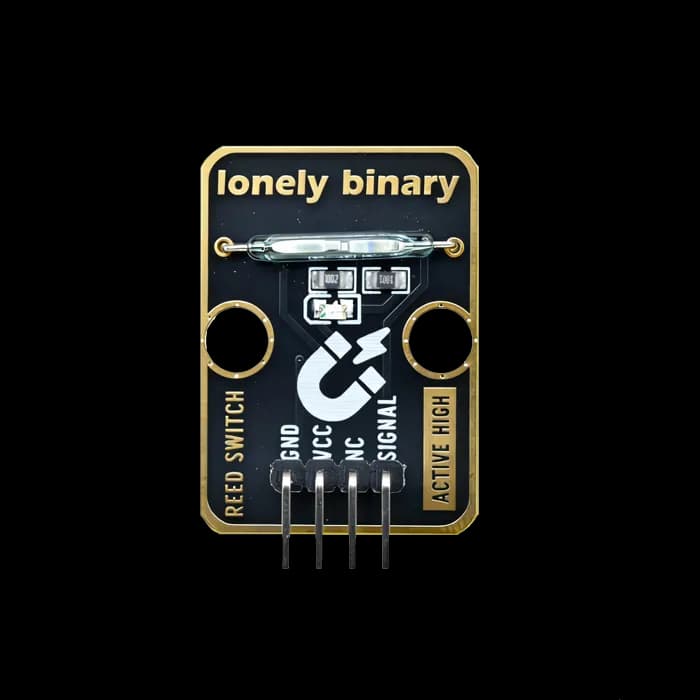
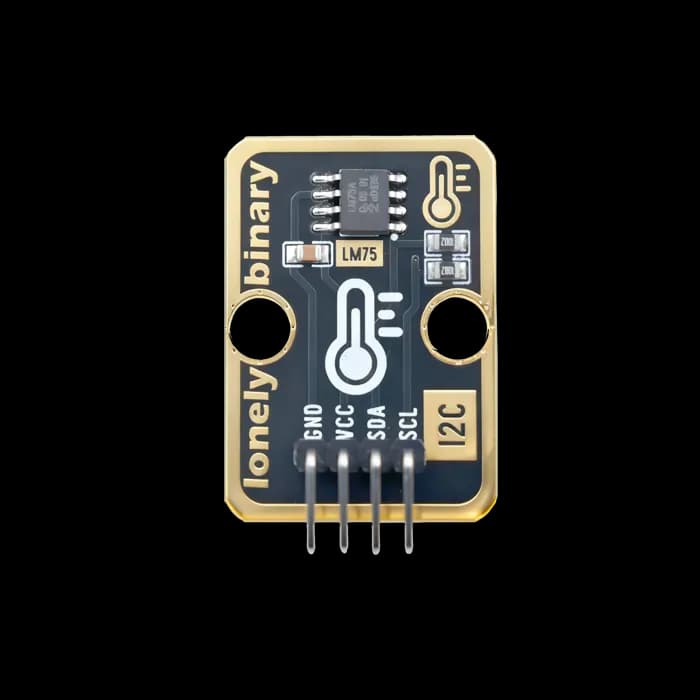
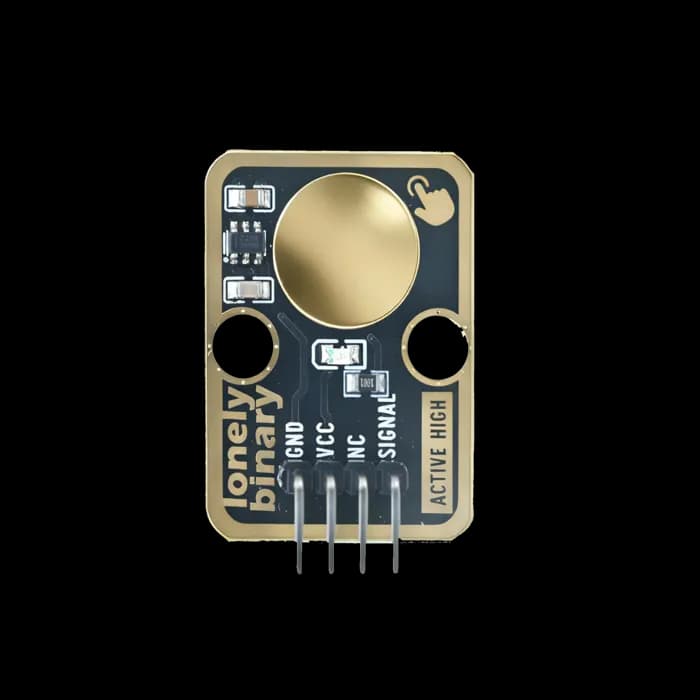
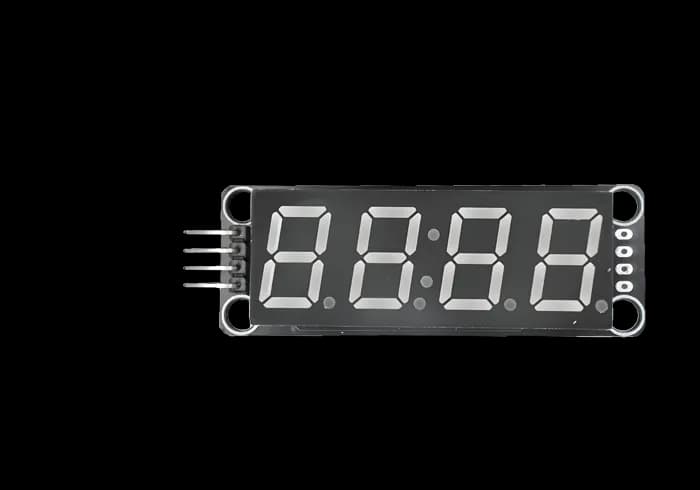
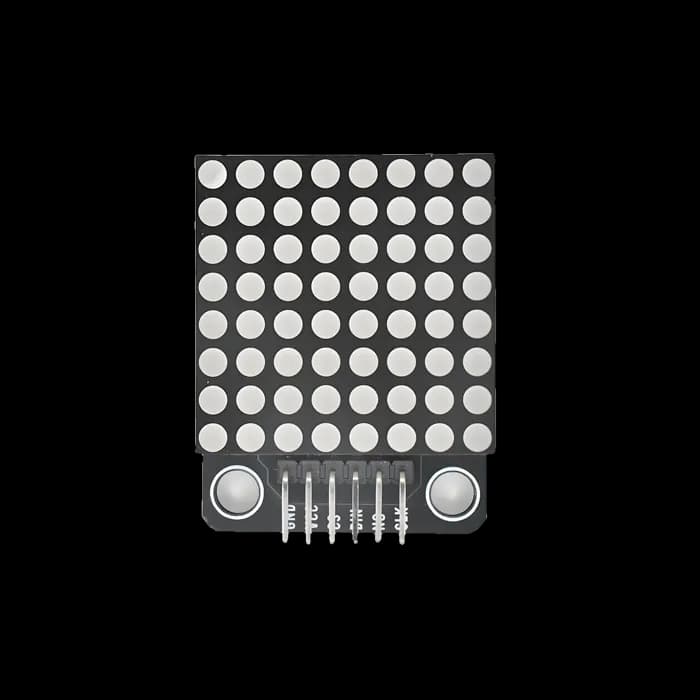
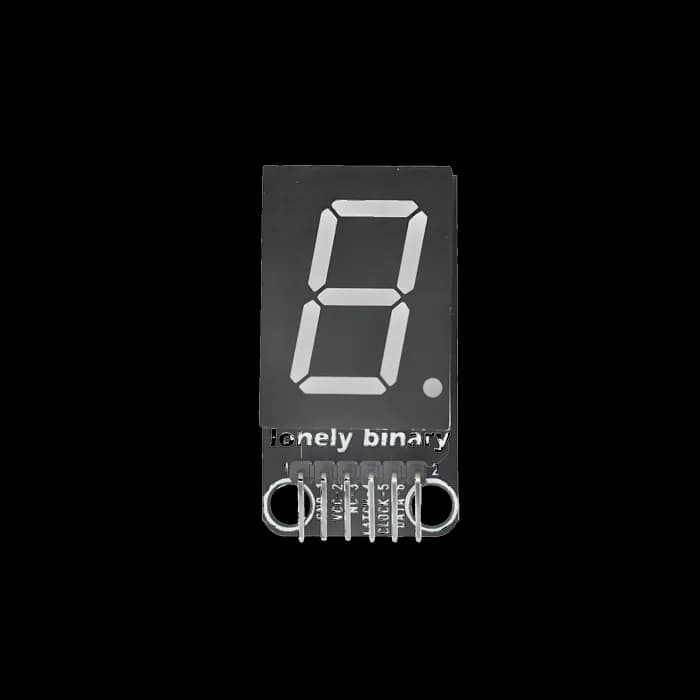
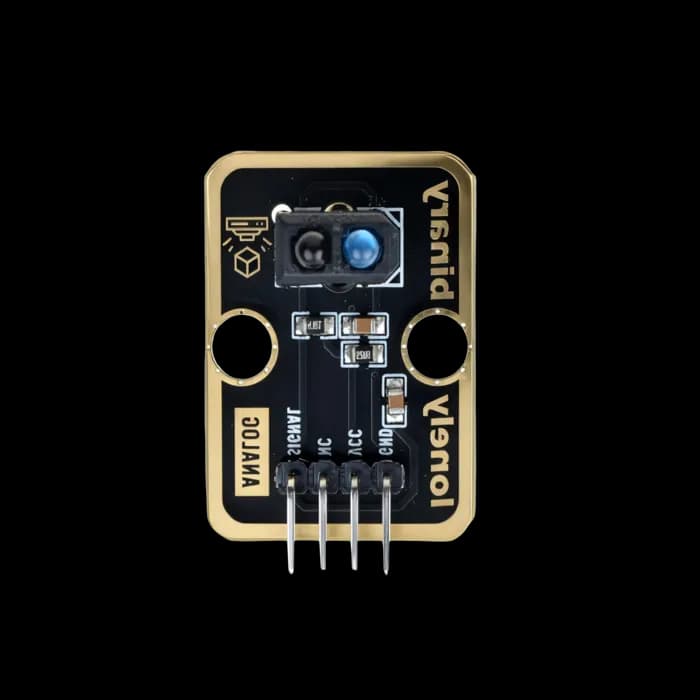
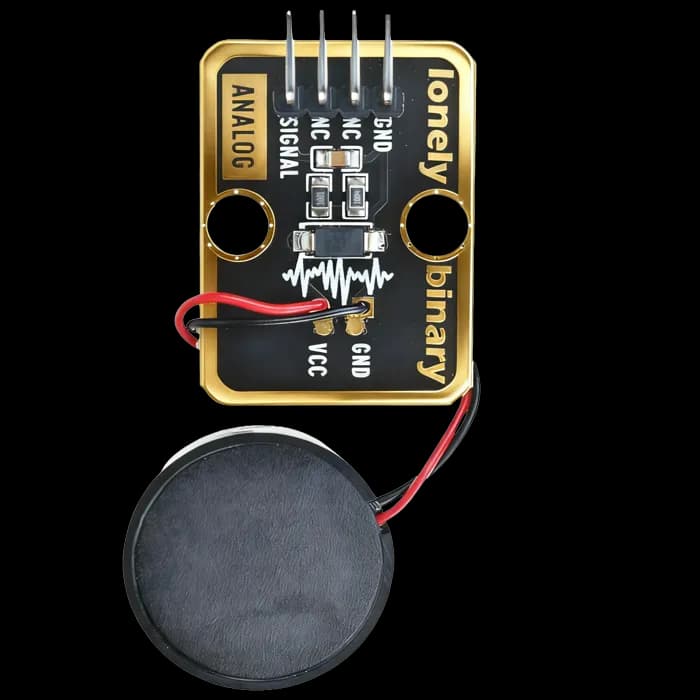
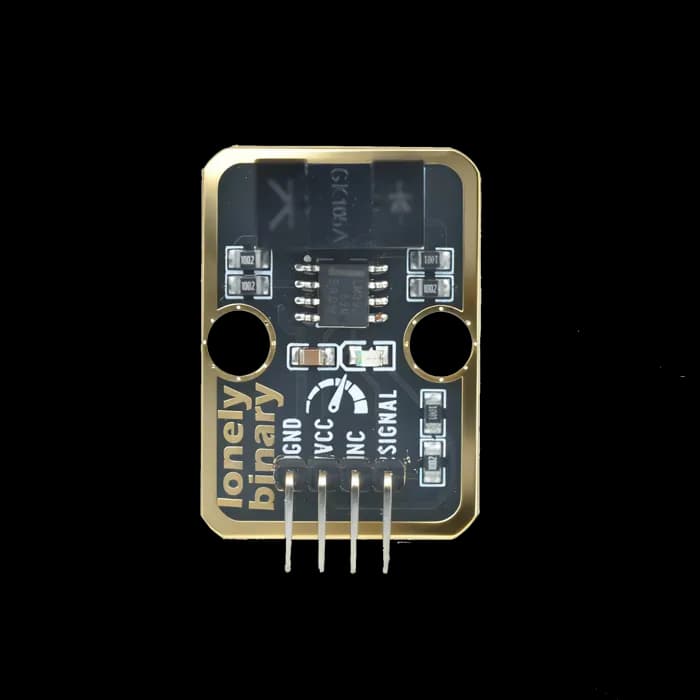
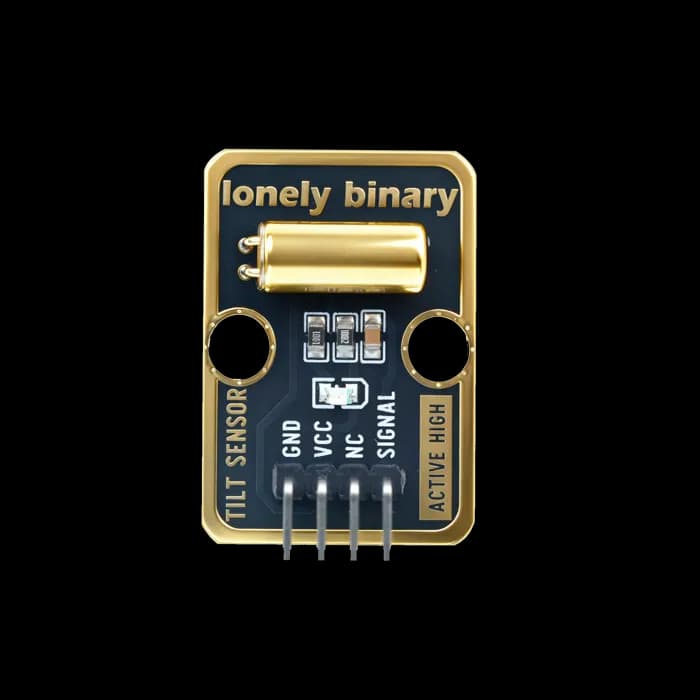
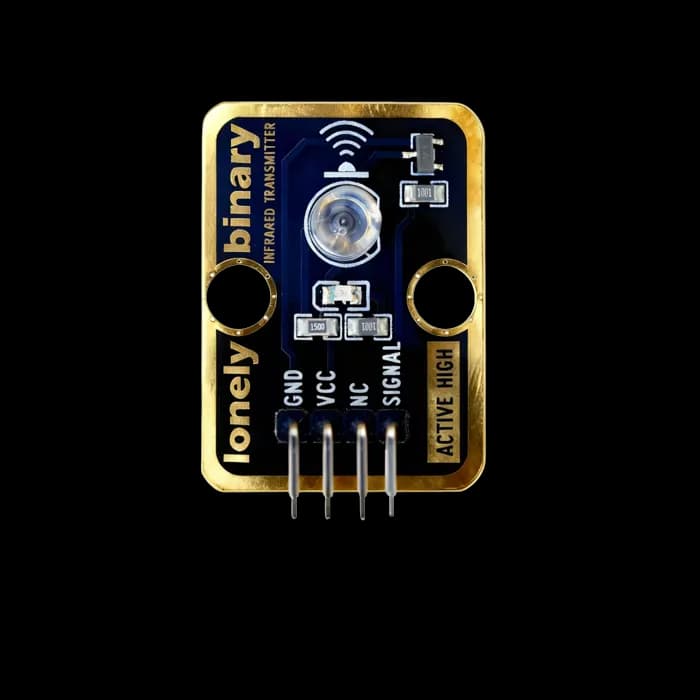
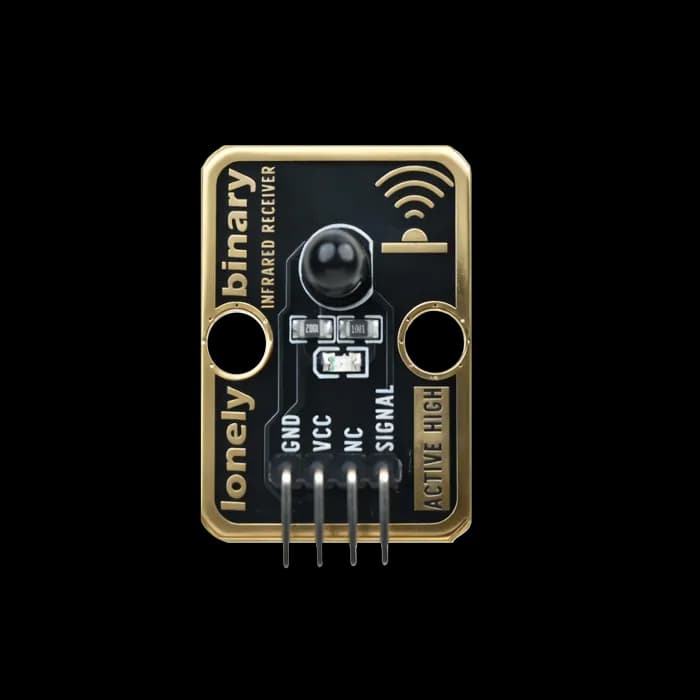
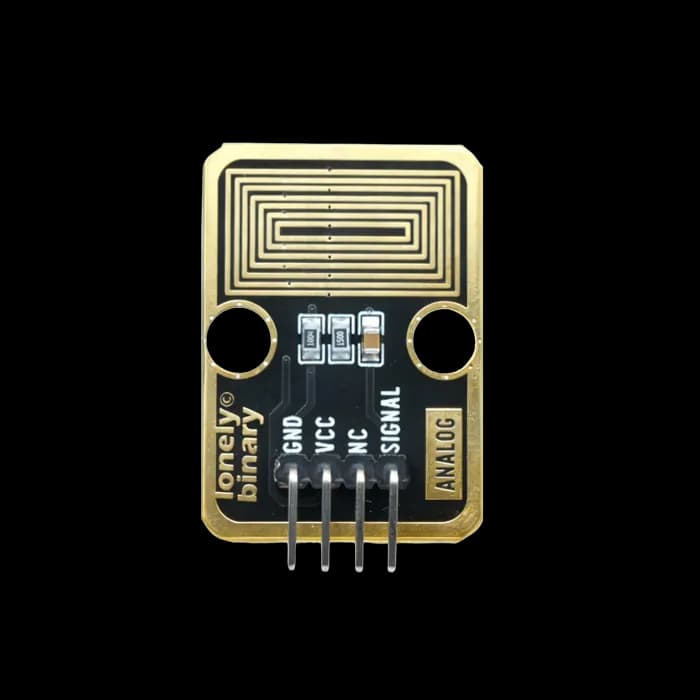
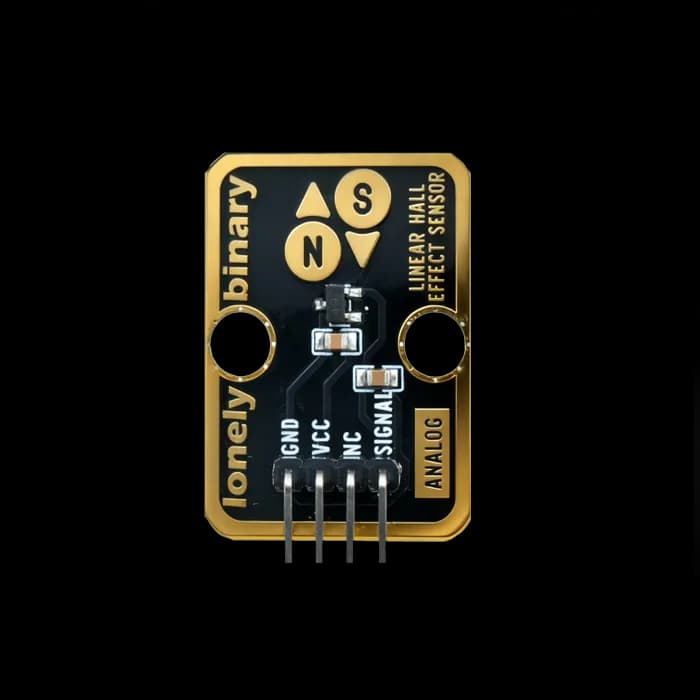
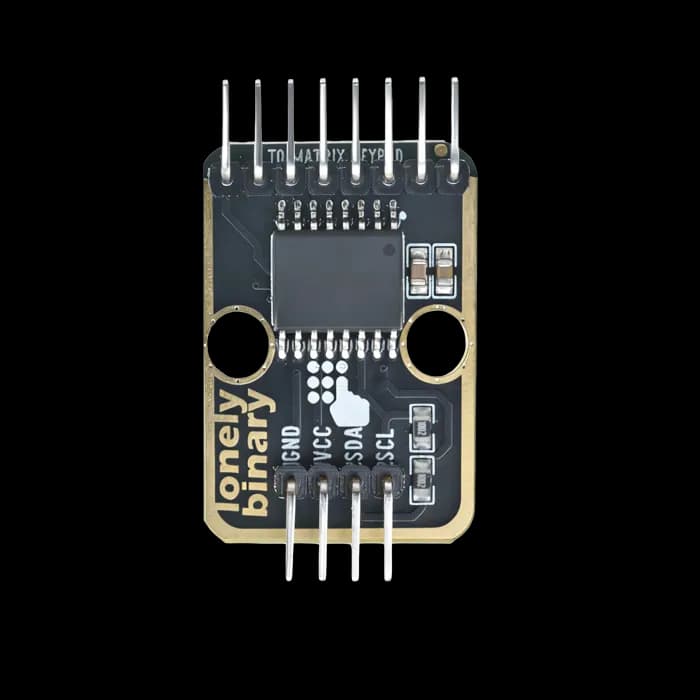
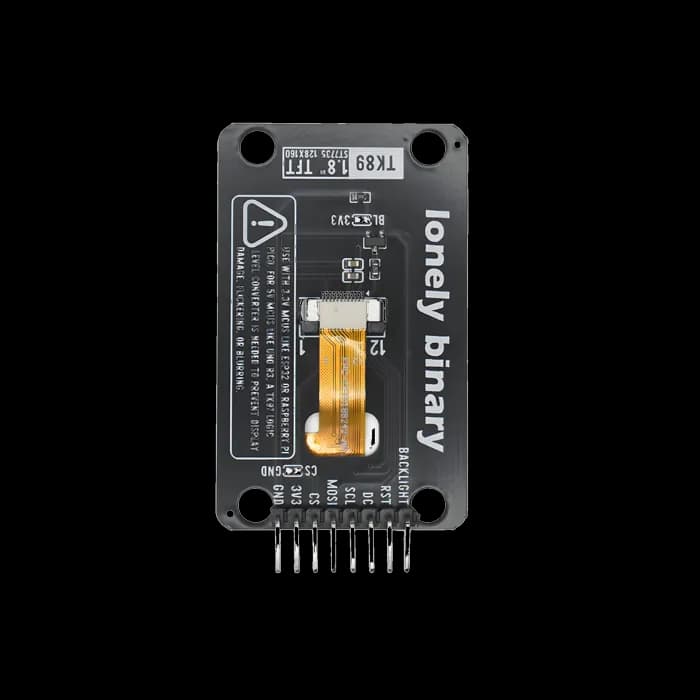
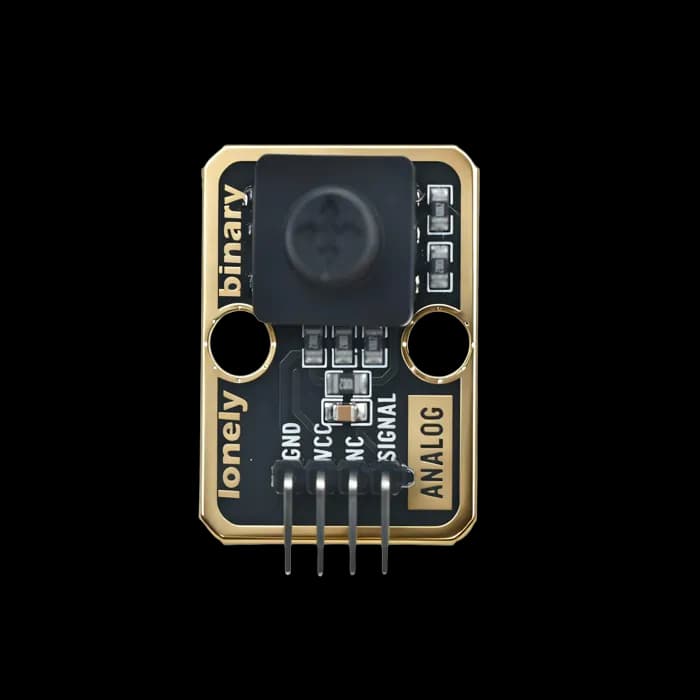
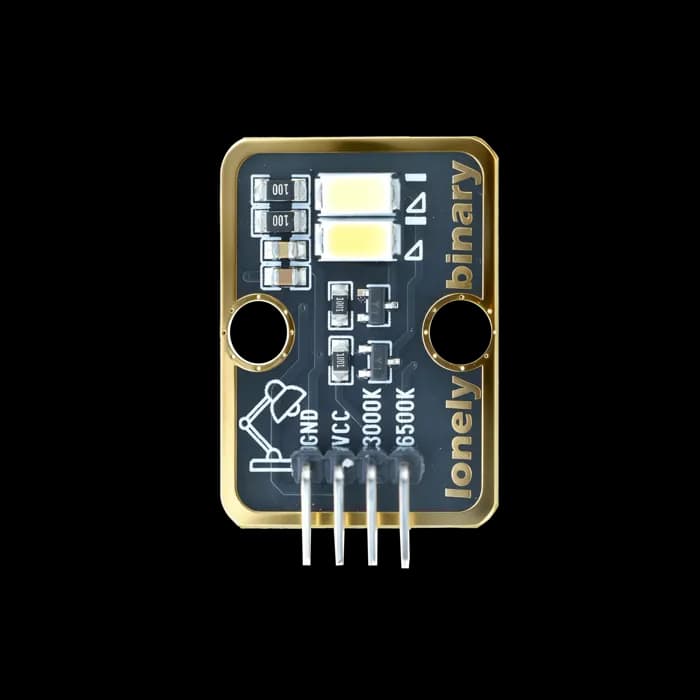
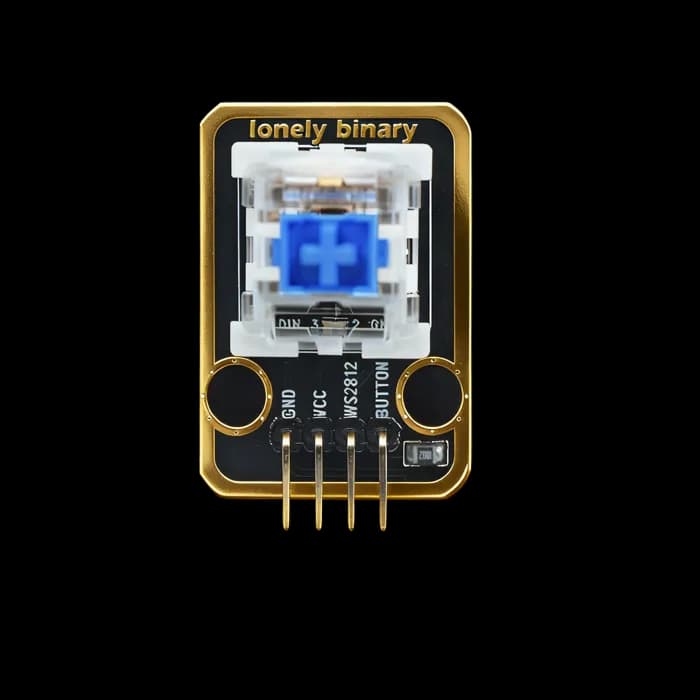
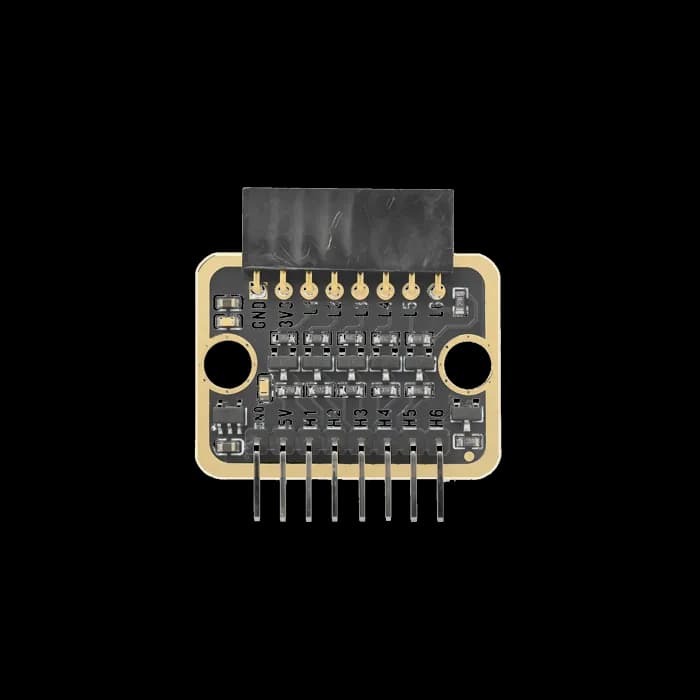
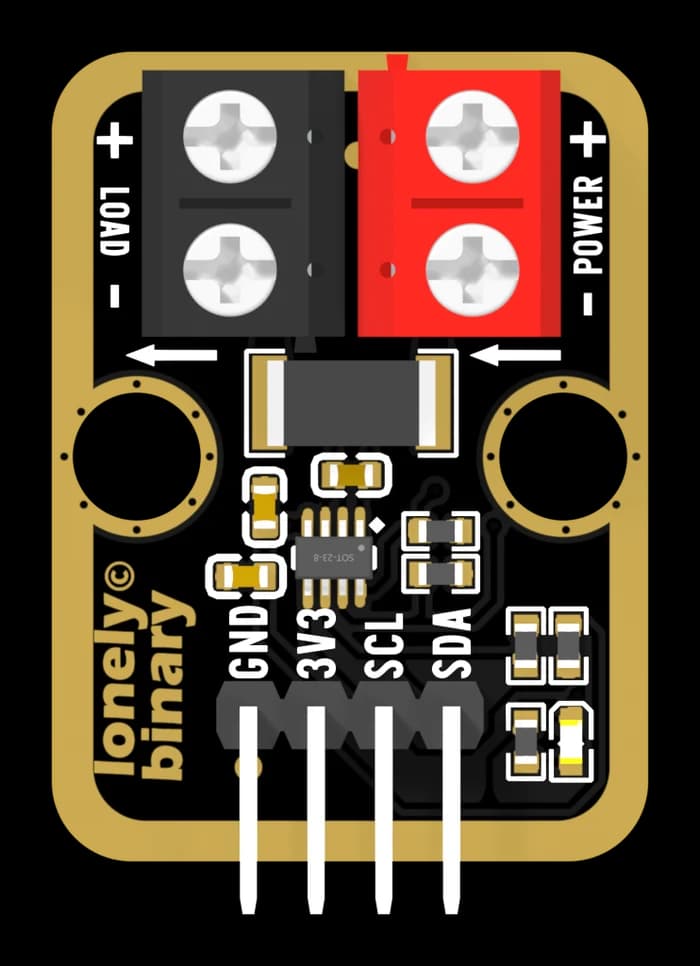
Function, three photos, pinout, quick wiring, code. Learn the shape once and you can read all of them without thinking about the page. Each one is a chapter of the blocks book, so the chapter list follows you from any of them into the next.
Kits
The boxes these modules ship in, each with its own steps.
TinkerBlock 46-Piece Sensor Module Kit
Forty-four modules on gold-plated breakouts, sharing one pin convention — and the forty-five-lesson workshop written around them.
41 projects →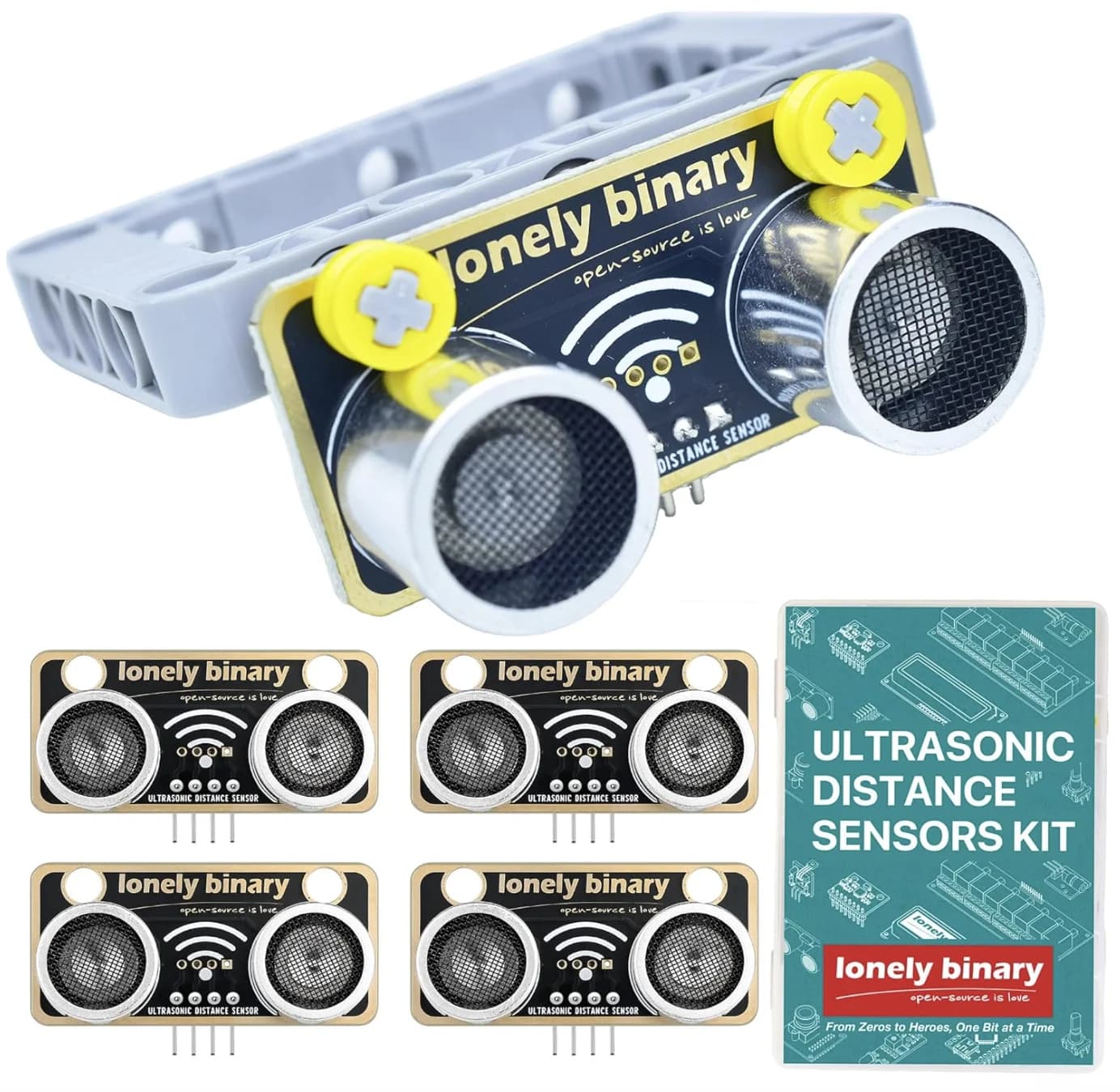
TinkerBlock Ultrasonic Distance Sensor Kit
Distance by echo timing, five to a pack — enough for a robot with a sensor on every side.
0 projects →The pin convention
Every module carries the same four-pin header, in the same order, whichever way up the board is printed:
| Pin | What it is |
|---|---|
| GND | Ground. Same rail as the controller board, always. |
| NC | Not connected. Present so the header is identical on every module. |
| NC | The second no-connect. |
| SIGNAL | The one line the module actually uses. |
That is the whole idea. Swapping a sensor for a different sensor is three wires that do not move and one that does, so the wiring you learn on the first module is true for the next hundred. Modules that genuinely need more lines — I2C, SPI — say so on their own page, and the board switcher there resolves them to your board's pins.
Interface tags are printed on the module page and used as filters on the index: DIGITAL, ANALOG, PWM, I2C, SPI. They tell you what the SIGNAL line expects, not what the module measures.
Voltage
Modules run from 3.3 V or 5 V unless their page says otherwise, which is what makes the same part usable on an ESP32 and on an Uno. The trap is not the module, it is the direction: a 5 V board driving a 3.3 V part is fine on the ground line and not fine on the signal line. If your board is 5 V, read logic levels before you wire an input.
Finding a module
Every module has its part number silkscreened on the board. Type it after
/p/ and you land on that module's page:
learn.lonelybinary.com/p/tk39
That works for every number in the index above, and it is the shortest thing that fits on a board this small. The QR codes on the packaging resolve to the same place.
What it is not
It is not a bus, a shield standard or a connector patent. There is no enumeration, no ID chip and nothing to register — a TinkerBlock module is an ordinary breakout with a predictable header, and every one of them works perfectly well soldered to something else.
Edit this page — content/platforms/tinkerblock.mdx